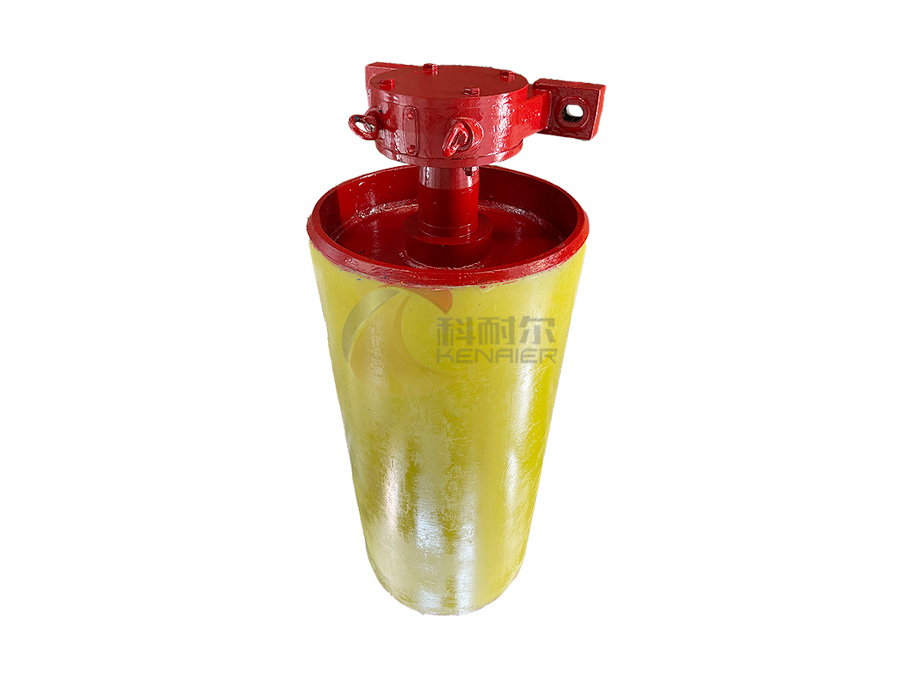
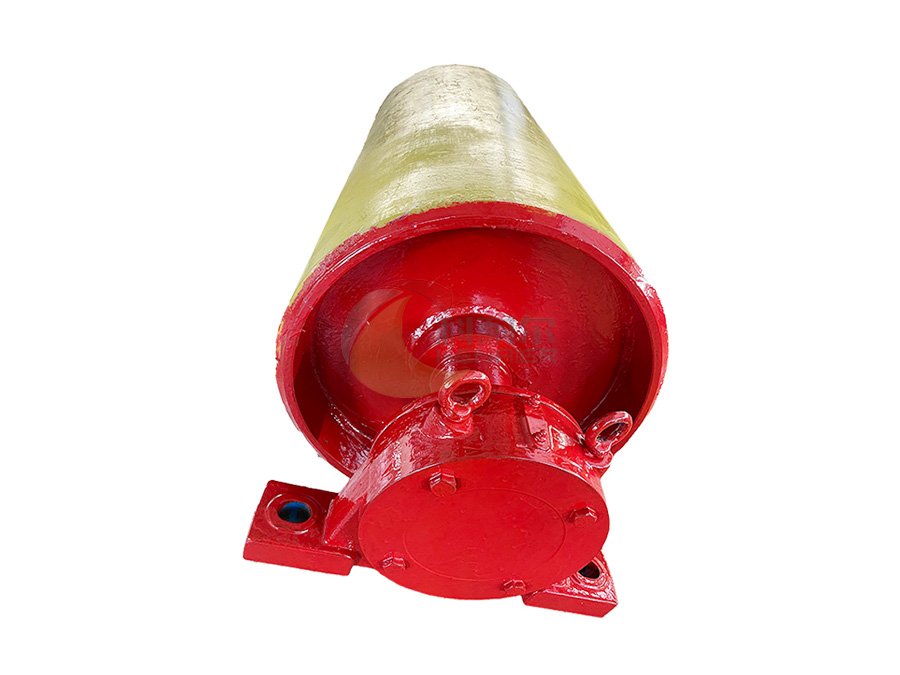
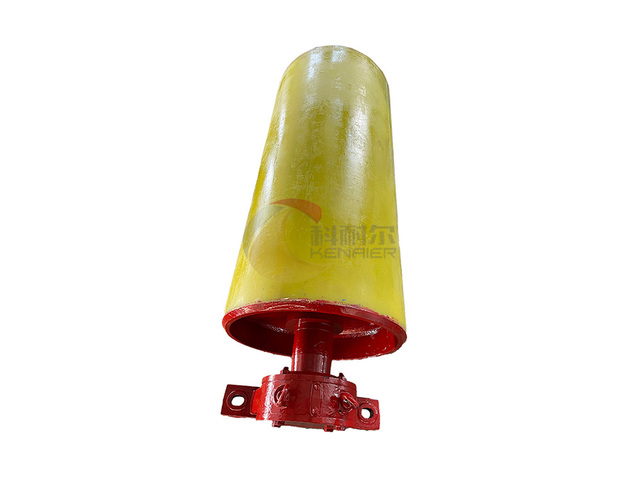
Polyurethane drum pulley lagging is used on conveyor pulleys to improve belt traction, reduce surface wear, and help maintain stable power transmission. It is often selected where durability, abrasion resistance, and pulley protection are important in daily operation.
Compared with unlagged or standard pulley surfaces, polyurethane lagging can help improve grip while also protecting the pulley shell from premature wear caused by repeated belt contact and abrasive material exposure.
Why Polyurethane Lagging Is Used on Conveyor Drums
Conveyor pulleys work under constant friction and load transfer. If the pulley surface wears too quickly or loses traction, the system may suffer slippage, unstable running, and higher maintenance frequency. Polyurethane lagging helps create a more durable contact surface for belt drive and return pulleys.
Main Advantages of Polyurethane Drum Pulley Lagging
- improves belt traction on the pulley surface
- helps reduce pulley shell wear
- good abrasion resistance for demanding service
- supports more stable conveyor transmission
- suitable for harsh industrial environments
Typical Applications
- drive and bend pulleys
- abrasive bulk material conveyors
- wet or contamination-prone operating conditions
- mining, quarry, and cement systems
- conveyors requiring improved pulley surface protection
Selection Factors Buyers Should Review
- pulley diameter and face width
- lagging thickness and hardness
- belt tension and traction requirement
- abrasion level and environmental exposure
- smooth or grooved lagging surface design
How Kenaier Supports Pulley Surface Protection
Kenaier supplies polyurethane drum pulley lagging for conveyor traction improvement and wear protection. If you provide your pulley size and operating conditions, we can recommend a suitable lagging solution.